
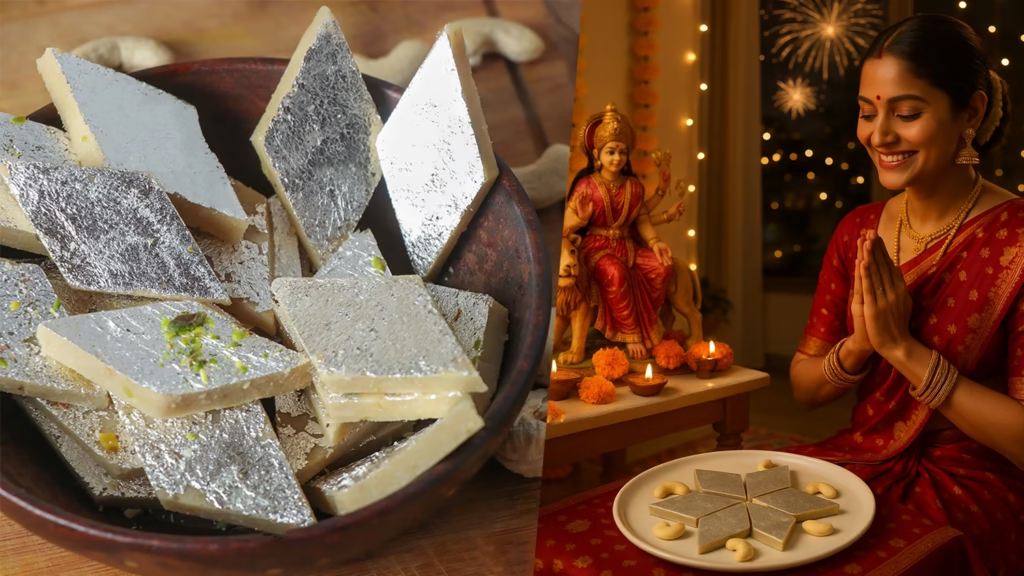
Indian cuisine is celebrated around the world for its aromatic spices, regional diversity and unforgettable flavours. While dishes such as butter chicken, biryani, samosas and dosas often receive much of the attention, Indian desserts deserve an equally important place on every food lover’s list.
Known collectively as mithai, Indian desserts are available in an incredible variety of flavours, colours and textures. Some are rich and creamy, while others are crispy, syrupy, nutty or delicately flavoured with saffron, cardamom and rose water. Every region of India has its own traditional sweets, many of which are closely connected with festivals, weddings, family gatherings and religious celebrations.
Indian sweets have also become increasingly accessible throughout Canada. Whether you live in Toronto, Brampton, Mississauga, Vancouver, Surrey, Calgary, Edmonton, Ottawa or another Canadian city, you can now find authentic Indian desserts at sweet shops, Indian grocery stores, restaurants, catering businesses and online retailers.
For newcomers to Indian sweets, choosing from a colourful mithai counter can feel overwhelming. To make the experience easier, here are ten of the best Indian desserts to try in Canada.
1. Gulab Jamun
Gulab Jamun is one of the most famous and widely loved Indian desserts. These soft, round sweets are traditionally prepared using milk solids, shaped into small balls and deep-fried until they develop a rich golden-brown colour.
After frying, the balls are soaked in warm sugar syrup flavoured with cardamom, rose water or saffron. The result is a tender, moist dessert that releases sweet, aromatic syrup with every bite.
The name “Gulab Jamun” reflects the dessert’s appearance and fragrance. “Gulab” refers to rose, while “jamun” is an Indian fruit with a similar round shape and dark colour.
Gulab Jamun is commonly served warm, although it can also be enjoyed at room temperature. For an indulgent fusion dessert, many Canadian restaurants serve warm Gulab Jamun with vanilla ice cream. The contrast between the warm syrupy sweet and cold creamy ice cream makes it especially satisfying during Canada’s colder months.
This dessert is frequently served at Indian weddings, Diwali celebrations, birthdays, family dinners and community events. Its soft texture and familiar sweetness also make it an excellent first Indian dessert for people who have never tried mithai before.
2. Ras Malai
Ras Malai is an elegant Bengali dessert known for its soft texture and creamy flavour. It is made from flattened pieces of fresh cottage cheese, known as chhena, which are cooked and soaked in sweetened milk.
The milk is usually flavoured with saffron and cardamom and garnished with chopped almonds or pistachios. Because it is served chilled, Ras Malai feels lighter and more refreshing than many fried Indian sweets.
A well-made Ras Malai should be soft enough to absorb the flavoured milk while still holding its shape. Each bite combines delicate cheese dumplings with fragrant, creamy milk and crunchy nuts.
Ras Malai is particularly popular at weddings, dinner parties and festive gatherings. It is an excellent choice for Canadians who enjoy milk-based desserts such as cheesecake, panna cotta, custard or tres leches cake.
When purchasing Ras Malai in Canada, check that it has been properly refrigerated. Since it is a fresh dairy-based dessert, it should be stored cold and consumed according to the seller’s recommended timeline.
3. Jalebi
Jalebi is one of India’s most visually distinctive sweets. It is prepared by piping fermented batter into hot oil in circular or spiral shapes. Once fried until crisp, the spirals are dipped in warm sugar syrup.
The finished dessert has a bright appearance, crunchy exterior and juicy, syrup-filled centre. Jalebi is often flavoured with saffron, cardamom or rose essence.
In many parts of India, Jalebi is enjoyed fresh and warm from street-side sweet shops. It may be eaten on its own or paired with milk, yogurt or Rabri, a thickened sweet milk dessert.
Jalebi is especially enjoyable for people who appreciate desserts with contrasting textures. The outside remains crisp while the inside holds warm syrup. It is commonly served during Diwali, Holi, weddings and other festive occasions.
For the best experience in Canada, purchase Jalebi from a shop that prepares it fresh. It can lose some of its crispness when stored for too long, so it is best enjoyed on the same day.
4. Kaju Katli
Kaju Katli is a premium Indian sweet made primarily from cashews and sugar. It is known for its smooth texture, delicate nutty taste and signature diamond shape.
The cashews are finely ground and cooked with sugar until the mixture reaches a soft, dough-like consistency. It is then rolled into a thin layer, cut into diamonds and often decorated with edible silver leaf.
Unlike syrup-soaked sweets, Kaju Katli has a balanced sweetness that allows the natural flavour of cashews to stand out. Its soft, slightly chewy texture makes it easy to eat and widely appealing.
Kaju Katli is one of the most popular sweets exchanged during Diwali and other celebrations. It is also commonly included in corporate gift boxes, wedding favours and festive hampers.
In Canada, it makes an excellent gift for friends, colleagues, clients and family members. Because it is compact, elegant and relatively easy to transport, Kaju Katli is a practical choice for holiday gifting and special occasions.
People with nut allergies should always check the ingredient label before consuming Kaju Katli or other nut-based Indian sweets.
5. Motichoor Ladoo
Motichoor Ladoo is a traditional round sweet made from tiny pearls of gram flour batter. These delicate pearls, known as boondi, are fried, soaked in flavoured sugar syrup and shaped into soft round ladoos.
The word “motichoor” translates approximately to “crushed pearls,” which describes the dessert’s fine, pearl-like texture. High-quality Motichoor Ladoo should be soft, moist and easy to break apart.
The ladoos are usually flavoured with cardamom, saffron and sometimes a small amount of rose essence. Nuts or melon seeds may also be added for texture.
Motichoor Ladoo is closely connected with Indian religious ceremonies, weddings, temple offerings and festivals. It is also frequently distributed to celebrate personal achievements, business openings, engagements and the birth of a child.
For Canadians attending an Indian celebration for the first time, Motichoor Ladoo is likely to be one of the sweets offered. Its festive colour, soft texture and rich flavour make it a memorable addition to any dessert table.
6. Gajar Ka Halwa
Gajar Ka Halwa, also known as carrot halwa, is a comforting Indian dessert made by slowly cooking grated carrots with milk, sugar and ghee.
The mixture is cooked until the carrots become soft and the milk reduces, creating a rich, pudding-like texture. Cardamom and nuts such as almonds, cashews or pistachios are commonly added.
This dessert is especially associated with the winter season in northern India, when fresh red carrots are traditionally available. Its warm and comforting character makes it equally suitable for Canadian winters.
Gajar Ka Halwa can be served warm or chilled, although many people prefer it hot with a small spoonful of ghee or a scoop of vanilla ice cream. It works well as a dessert after an Indian meal and can also be served during family gatherings and holiday celebrations.
For Canadian customers who prefer desserts with recognizable ingredients and moderate sweetness, Gajar Ka Halwa is an excellent choice. The natural flavour of carrots, milk and cardamom creates a familiar yet distinctly Indian experience.
7. Rasgulla
Rasgulla is another famous Bengali dessert made from fresh cottage cheese. The cheese is kneaded into smooth balls and cooked in light sugar syrup until soft and spongy.
Unlike Gulab Jamun, Rasgulla is not fried. Its light colour, springy texture and mildly sweet syrup give it a fresher and less heavy character.
A good Rasgulla should feel soft but resilient. When gently pressed, it releases syrup and then returns close to its original shape.
Rasgulla is commonly served chilled or at room temperature. It is particularly suitable for people who enjoy light, juicy desserts rather than dense or strongly flavoured sweets.
In Canada, Rasgulla is available fresh at Indian sweet shops and packaged in tins at many grocery stores. Fresh Rasgulla may offer a softer texture, while canned versions are convenient for storage, gifting and last-minute entertaining.
Once opened, packaged Rasgulla should be refrigerated and consumed according to the instructions provided on the label.
8. Kulfi
Kulfi is a traditional Indian frozen dessert often compared with ice cream. However, Kulfi is typically denser, creamier and slower to melt because it contains less incorporated air.
It is traditionally prepared by simmering milk for an extended period until it reduces and thickens. Sugar and flavourings are then added before the mixture is frozen in moulds.
Popular Kulfi flavours include pistachio, mango, saffron, cardamom, rose and malai. Some versions also include chopped nuts or pieces of fruit.
Kulfi is an excellent dessert for Canadian summers, outdoor celebrations, festivals and barbecues. It can be served on a stick, sliced onto a plate or combined with Falooda noodles and flavoured syrup.
Mango Kulfi is often the easiest introduction for first-time customers because it combines a familiar fruit flavour with a rich Indian-style frozen dessert. Pistachio and saffron Kulfi offer a more traditional and aromatic experience.
When purchasing frozen Kulfi, make sure it has been stored at a consistent temperature and avoid products that appear to have melted and refrozen.
9. Soan Papdi
Soan Papdi is a light, flaky Indian sweet known for its delicate, thread-like texture. It is typically made using gram flour, flour, sugar, ghee and cardamom.
When handled properly, the sweet separates into fine layers that seem to dissolve in the mouth. Chopped pistachios or almonds may be added on top for extra flavour and texture.
Soan Papdi is commonly sold in neatly packed boxes, making it one of the most convenient Indian desserts for gifting, travelling and sharing. It generally has a longer shelf life than fresh dairy sweets, although storage instructions can vary by manufacturer.
Its light and airy texture makes it different from denser sweets such as Barfi or Ladoo. People who enjoy cotton candy, flaky pastries or melt-in-the-mouth confections may find Soan Papdi particularly appealing.
In Canada, it is widely available at Indian supermarkets and sweet shops, especially during Diwali. Always check the packaging date and ingredient list to ensure freshness and identify potential allergens.
10. Barfi
Barfi is a broad category of Indian fudge-like sweets available in numerous flavours and varieties. Traditional milk Barfi is made by reducing milk with sugar until it becomes thick enough to set and cut into squares or diamonds.
Other popular varieties include coconut Barfi, pistachio Barfi, almond Barfi, chocolate Barfi and fruit-flavoured Barfi. Some versions are decorated with nuts, saffron or edible silver leaf.
The texture can range from soft and creamy to dense and slightly crumbly, depending on the ingredients and preparation method. This variety makes Barfi one of the most versatile Indian sweets.
Mixed Barfi boxes are ideal for Canadian customers who want to sample several flavours without purchasing full quantities of each one. They also make attractive gifts for Diwali, Eid, Christmas gatherings, weddings, housewarming celebrations and corporate events.
For the best quality, choose Barfi that looks fresh, evenly cut and properly stored. Milk-based varieties usually require more careful refrigeration than dry nut or coconut versions.
Where to Buy Indian Desserts in Canada
Indian desserts are now available throughout Canada from traditional mithai shops, Indian restaurants, grocery stores, catering companies and online sweet retailers.
Specialty sweet shops generally provide the widest selection and may prepare fresh items daily. Indian supermarkets are convenient for packaged sweets, frozen Kulfi and canned Rasgulla or Gulab Jamun. Many restaurants also offer individual portions of desserts such as Ras Malai, Gulab Jamun and Gajar Ka Halwa.
When ordering Indian sweets in Canada, consider the following:
- Check whether dairy-based products require refrigeration.
- Review ingredient and allergen information carefully.
- Ask when the sweets were prepared.
- Confirm shelf life before purchasing large quantities.
- Order in advance for weddings, festivals or corporate events.
- Choose secure packaging when sending sweets as gifts.
- Look for delivery options that protect products from heat and damage.
How to Choose the Right Indian Dessert
Your ideal dessert will depend on the flavours and textures you enjoy.
Choose Gulab Jamun or Jalebi if you like warm, syrupy sweets. Select Ras Malai or Rasgulla if you prefer chilled milk-based desserts. Try Kaju Katli or Barfi for an elegant gift or festive sweet box. Choose Kulfi for a refreshing frozen treat, and consider Gajar Ka Halwa when you want something warm and comforting.
For a celebration with multiple guests, a mixed mithai box is often the best option. It allows everyone to sample different flavours and creates a colourful, attractive dessert presentation.
Frequently Asked Questions
Are Indian desserts vegetarian?
Many traditional Indian desserts are vegetarian because they are made with milk, sugar, flour, nuts and ghee. However, ingredients can vary, so always check the label or ask the seller. Customers following a vegan diet should pay particular attention, as many Indian sweets contain dairy products.
Are Indian sweets gluten-free?
Some sweets, including many varieties of Kaju Katli, Rasgulla and certain Barfis, may not contain wheat. However, preparation methods and cross-contamination risks differ. People with celiac disease or gluten sensitivity should confirm directly with the manufacturer or retailer.
How long do Indian desserts stay fresh?
Shelf life depends on the ingredients. Fresh dairy sweets may last only a few days under refrigeration, while dry sweets can remain fresh for longer. Always follow the storage and best-before guidance provided by the seller.
Which Indian dessert is best for beginners?
Gulab Jamun, Ras Malai, Kaju Katli and Mango Kulfi are excellent starting points because their flavours and textures are approachable for people unfamiliar with Indian desserts.
Final Thoughts
Indian desserts offer much more than sweetness. They represent regional traditions, family recipes, festive memories and centuries of culinary craftsmanship.
From warm Gulab Jamun and crispy Jalebi to creamy Ras Malai, nutty Kaju Katli and refreshing Kulfi, every dessert provides a different experience. Whether you are exploring Indian cuisine for the first time, selecting sweets for a celebration or simply searching for a new dessert to enjoy, these ten options are an excellent place to begin.
The next time you visit an Indian sweet shop in Canada, do not hesitate to ask for a mixed box. Trying several varieties is the best way to discover your favourite and experience the remarkable diversity of Indian mithai.
Canada’s multicultural food scene makes it possible to enjoy authentic flavours from around the world. Indian sweets are an important part of that experience colourful, comforting and perfect for sharing with family and friends.